Some stories begin by asking a simple question:
What happens to the things society throws away?
Gachiakuta takes that question and turns it into a brutal, emotional narrative. At first glance, it looks like a dark action manga. In reality, it is a story about value – who is considered useful, who is disposable, and what happens when a person is treated like trash.
This breakdown explores Gachiakuta as a complete story concept, written so even readers unfamiliar with the series can understand its themes, characters, and emotional weight.
A World That Divides the “Clean” and the “Discarded”
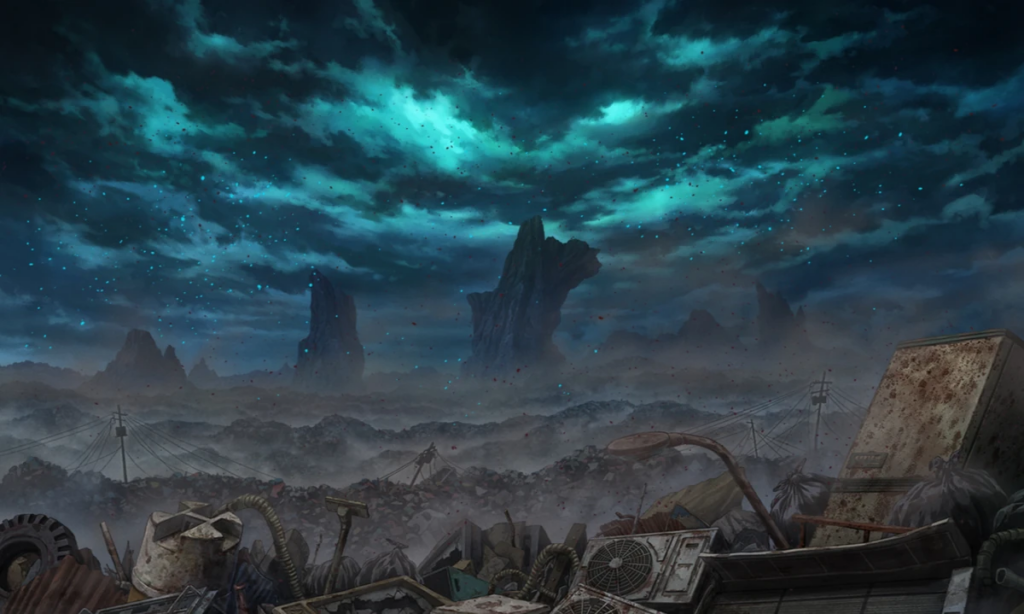
The world of Gachiakuta is divided vertically.
Above:
- clean streets
- order
- people deemed ‘worthy’
Below:
- waste
- decay
- those cast out by society
This physical separation mirrors a moral one. People are judged not by who they are, but by where they belong. Once someone is labeled as disposable, society stops seeing them as human.
This setting is not subtle – and that’s the point.
Rudo: A Life Marked as Trash
Rudo does not begin as a hero.
He begins as someone already condemned.
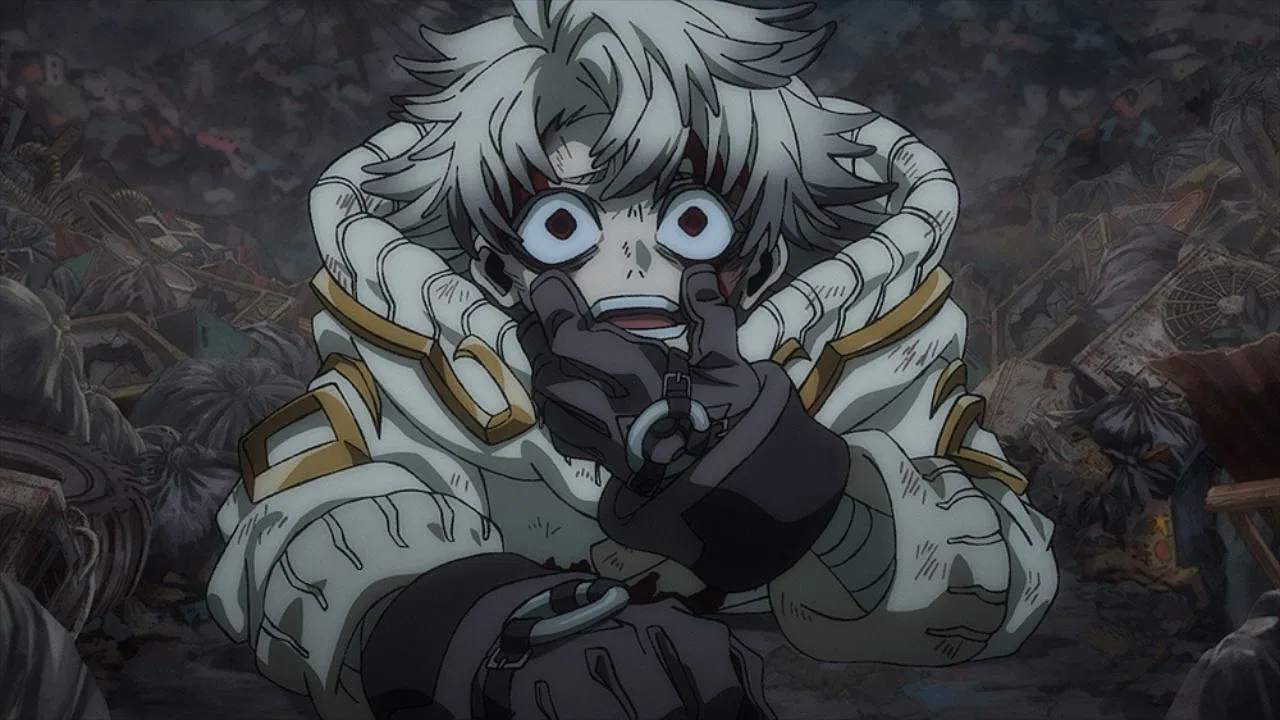
Despite caring deeply for broken and discarded objects, Rudo himself is treated as something that can be thrown away. When he is falsely accused and cast into the abyss, the punishment is absolute — no appeal, no explanation, no mercy.
This moment defines the story:
- innocence does not protect you
- kindness does not guarantee safety
- society does not correct its mistakes
Rudo survives not because he is special, but because he refuses to accept his assigned worth.
Objects, Memory, and Meaning
One of Gachiakuta’s most unique ideas is its relationship with objects.
Discarded items are not meaningless. They carry:
- memory
- emotion
- history
Those who can wield these objects don’t do so through dominance, but through understanding.
This concept quietly reinforces the story’s theme:
“Value is not defined by usefulness to the system, but by the meaning someone gives it.”
Rudo’s bond with broken things mirrors his own desire to be seen as more than waste.
Violence as a Language, Not a Solution
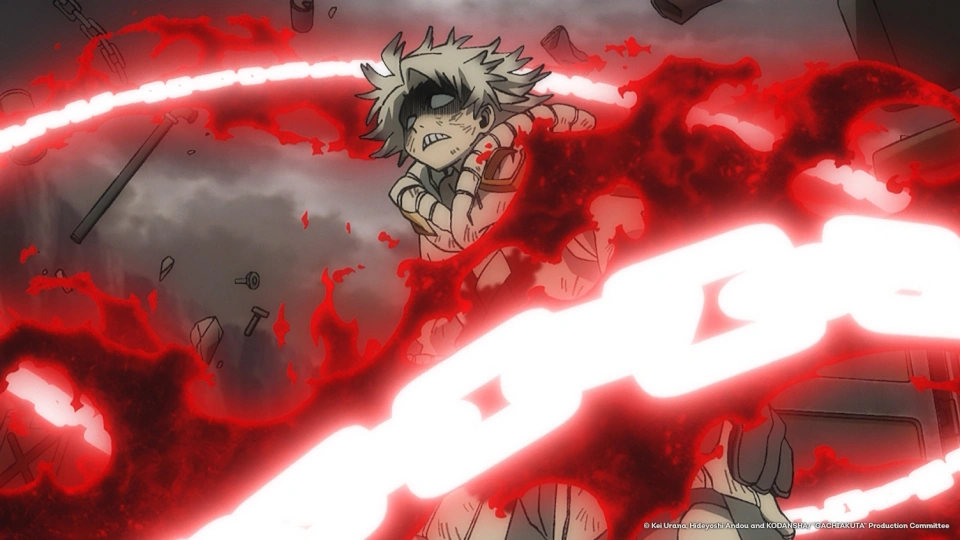
The world below is harsh. Survival requires fighting.
But Gachiakuta never treats violence as something heroic. Every confrontation feels desperate rather than triumphant. Fights exist not to prove strength, but to show how broken the system already is.
Characters don’t fight to win glory – they fight because they have been given no other way to exist.
Anger Without Losing Humanity
Rudo’s anger is justified.
What makes him compelling is that it does not consume him entirely.
He does not seek to destroy the world above simply out of revenge. Instead, he struggles with a harder question:
“How do you confront injustice without becoming what created it?”
This tension keeps the story grounded and human, even when the world itself feels grotesque.
Final Thoughts
Gachiakuta is not just a story about survival.
It is about:
- who gets to decide value
- how easily people are discarded
- and whether meaning can be reclaimed after rejection
By turning trash into power, the story quietly argues that nothing — and no one — is truly worthless.
That message lingers long after the action fades.